Iceland Ring Road Planning: 7-Day Itinerary Tips
Plan your 7-day Iceland Ring Road trip with this relaxed itinerary. Get tips on route planning, budgeting, and self-drive preparations for a stress-free adventure.
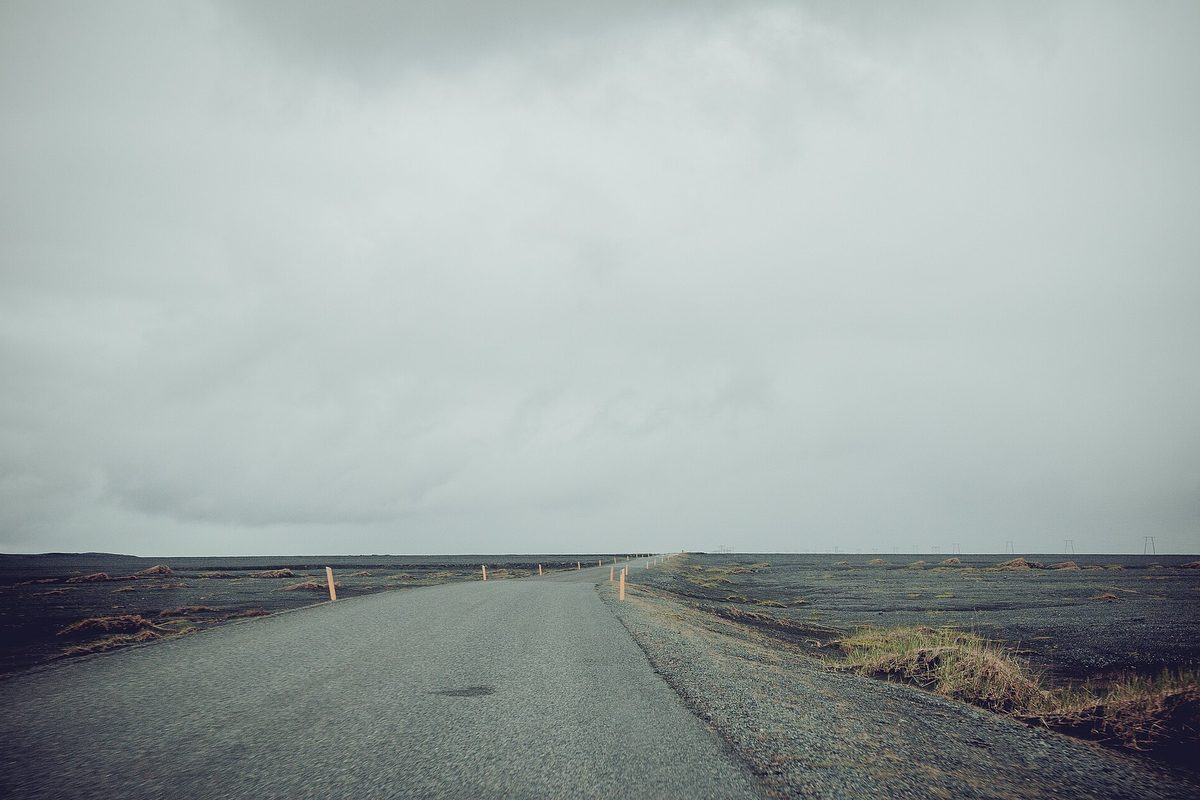
Getting Started
Why a Relaxed 7-Day Ring Road Trip Works
The Ring Road, or Route 1, traces roughly 1,332 kilometers around Iceland, linking glaciers, waterfalls, black-sand beaches, and fishing villages in a single loop. The most common mistake first-time visitors make is rushing it in five days: waking before dawn, driving four hours straight, and collapsing at a guesthouse without ever stopping to breathe. That approach misses the point entirely. Iceland rewards those who pause.
This guide offers a practical framework for a relaxed 7-day self-drive tour. It covers the essential route options (clockwise or counterclockwise), the preparations you need before you land, realistic budgeting for fuel, food, and accommodation, and itinerary tips that prioritize experience over mileage. The goal is to finish the loop feeling restored, not exhausted.
Effective Iceland ring road planning starts with acknowledging that you cannot do everything. A 7-day Iceland road trip at a comfortable pace means roughly two hours of driving between major stops, with enough time to hike to a waterfall, soak in a geothermal pool, or wait for the light to shift across a landscape. The itinerary outlined here respects that rhythm. The pace is deliberately slow, not because the road is long, but because the best moments happen between the map pins. It also addresses the Iceland road trip budget honestly: what a car, a room, and a bowl of lamb soup actually cost in 2025, so there are no surprises on the road. Whether you are building your first Iceland ring road itinerary or looking for a calmer alternative to a rushed schedule, the chapters ahead give you the numbers, the route logic, and the confidence to self-drive Iceland without the pressure.
Planning Your Iceland Ring Road Route
Should You Drive Clockwise or Counterclockwise?
Choosing between clockwise and counterclockwise is one of the first decisions you will make. The direction you pick shapes your whole route, especially on a loop this short, where daylight and stop timing matter.
- Clockwise (starting from Reykjavik heading east): You reach the South Coast's famous waterfalls and black sand beaches within the first two days, when energy is highest. The route follows the sun throughout the day, giving you morning light on the southern attractions. However, you hit the longer drive through the East Fjords later in the trip, which can feel rushed with a 7-day schedule.
- Counterclockwise (heading north first): You start with the less crowded North and West, building toward the dramatic South Coast as your final highlight. Daylight improves as you travel south, since the sun rises later in the north during summer months. The most popular stops in the south come toward the end, when you are already comfortable with driving conditions.
Most experienced travelers recommend counterclockwise for a relaxed 7-day trip. The daylight advantage is significant: by starting in the north, you avoid driving into the sun on the long stretches of the southern coast. This direction also spreads the tourist crowds more evenly, since most tour buses stick to clockwise.
Your direction choice directly affects accommodation booking. In summer, the popular guesthouses in Vik and the South Coast fill up months ahead. If you go counterclockwise, you book those for the final nights, giving you more flexibility with earlier stops in less competitive areas like Akureyri or the Myvatn region.
Key Stops Along the Ring Road
A successful 7-day Iceland road trip depends on smart prioritization. The South Coast alone has three essential stops: Seljalandsfoss, a waterfall you can walk behind; Skógafoss, with its thunderous 60-meter drop; and Jökulsárlón glacier lagoon, where icebergs drift toward the Diamond Beach. These three sites fit naturally into the first two days of your loop, leaving the rest of the week for the East Fjords and the Lake Mývatn area in the north.
As you drive between regions, keep an eye out for icelandic horses grazing in the fields - their thick manes and gentle gait are a constant roadside companion. For a relaxed pace, limit yourself to one major stop per region. Mývatn offers geothermal pools, pseudocraters, and the Dimmuborgir lava formations, all within a compact area that rewards a single full day of exploration.
The key to iceland ring road planning is remembering that less is more. Skipping the Westfjords or Snæfellsnes on a 7-day iceland road trip is not a loss - it is the reason you will enjoy each stop without rushing.
Driving Distances and Daily Time Budget
For a relaxed 7-day trip around the Ring Road, most travelers aim for 150 to 200 kilometers of driving per day. That works out to roughly 2 to 3 hours behind the wheel, with enough time left for spontaneous stops, short hikes, and meals. Prioritizing quality over quantity makes for a better trip.
Balancing driving and sightseeing means starting your day early, by 8 or 9 AM, and using the long daylight hours of summer to your advantage. Break up long stretches with short walks to waterfalls or viewpoints every 45 minutes. This rhythm keeps fatigue at bay and makes the journey as memorable as the destinations. A sample day-by-day mileage breakdown for a standard clockwise seven-day loop looks like this:
| Day | Route | Distance (km) | Driving Time (approx) |
|---|---|---|---|
| 1 | Reykjavik to Vik | 180 | 2.5 h |
| 2 | Vik to Hofn | 200 | 3 h |
| 3 | Hofn to Egilsstadir | 150 | 2 h |
| 4 | Egilsstadir to Myvatn | 150 | 2 h |
| 5 | Myvatn to Akureyri | 100 | 1.5 h |
| 6 | Akureyri to Hvammstangi | 200 | 2.5 h |
| 7 | Hvammstangi to Reykjavik | 200 | 2.5 h |
Remember that detours to sights like Dettifoss or Jokulsarlon add extra kilometers, so build flexibility into your route. Adjust the distances based on your interests and driving speed; the goal is to arrive at your accommodation with time to explore the local area rather than rushing through the itinerary.
Weather and Road Conditions to Expect
Iceland's weather is famously unpredictable, and any route plan must account for sudden shifts. In summer (June to August), temperatures range from 10-15°C, but rain and strong winds are common, especially along the south coast. Even in summer, a cold front can bring snow to the highland passes, forcing closures that last a day or more. Winter conditions, from October to April, bring snow, ice, and limited daylight, often closing mountain passes. The two essential tools for staying safe are Vedur.is, for detailed forecasts, and Road.is, for real time road conditions. Checking both each morning helps you adjust your plans based on the latest iceland weather data.
For a relaxed week, build at least one flexible day into your schedule. The entire Ring Road spans roughly 1,300 kilometers, but with weather delays and scenic stops, aiming for 4-5 hours of driving per day is realistic. A storm can close a mountain pass for several hours, so avoid booking non refundable activities on travel days. Instead, plan each day with buffer time in your schedule, allowing you to wait out bad weather without stress. This approach makes the journey as enjoyable as the destinations, a core principle of slow travel. With preparation and flexibility, Iceland's weather becomes a manageable part of the adventure rather than a source of stress.
Essential Preparations for a Self-Drive Trip
Car Rental Tips for Iceland's Ring Road
Choosing the right vehicle is a key part of planning an Iceland ring road trip. For the main Ring Road (Route 1), a standard 2WD car works fine in summer, but a 4x4 gives you extra confidence on gravel side roads and in unpredictable weather. If you plan to visit the Highlands or F-roads, a 4x4 is mandatory. For a relaxed 7-day Iceland road trip, a 4x4 gives you the flexibility to detour to scenic spots without worrying about rough access.
Insurance requires careful attention. Basic Collision Damage Waiver (CDW) often carries a high deductible. Gravel Protection is essential since loose stones can chip paint and crack windshields, especially on winding stretches. Sand and Ash Protection is highly recommended for the south coast, where sandstorms can sandblast the car's exterior. Many companies offer a premium package that combines these coverages with a zero deductible, saving you potential stress.
Booking early is crucial, especially during peak summer months. Rental rates can double if you wait. Compare at least three agencies, including local providers like Blue Car Rental and Zero Car, which often offer better rates than international chains. The self drive Iceland experience is smoother when you secure a reliable vehicle with comprehensive insurance ahead of time.
Packing for Iceland's Unpredictable Weather
Mastering the layering system is the secret to comfort on long driving days, where sunshine, rain, and wind can arrive within the same hour. Start with a moisture-wicking thermal base layer, add a fleece or wool mid-layer for insulation, and top it with a waterproof and windproof outer shell. Waterproof pants are non-negotiable, even for short walks to waterfalls, and sturdy, broken-in hiking boots with good ankle support will keep you stable on lava fields and glacial tongues. A waterproof daypack or dry bag protects your electronics and spare layers during sudden downpours.
For long hours behind the wheel during long drives, bring a neck pillow, a reusable water bottle, and a stash of high-energy snacks like nuts or protein bars. A small camp towel and a pair of quick-dry hiking pants make spontaneous hot spring dips much more pleasant. Don't forget a wide-brimmed hat and sunglasses for the relentless low-angle sun, and a thin balaclava or buff for windy ridge walks. These items bridge the gap between a good trip and a great one, especially when you are combining scenic drives with short hikes.
Safety items often get overlooked in a standard iceland travel guide, but they are essential for the ring road's remote stretches. A compact headlamp with fresh batteries is invaluable for evening walks to see a midnight sun or northern lights. Pack a basic first aid kit with blister treatments, pain relievers, and antiseptic wipes. A portable power bank keeps your phone charged for navigation, and an emergency blanket takes up almost no space but provides critical warmth if you break down in a windy area. A small multi-tool and a roll of duct tape can fix minor gear issues on the go.
Packing light but smart is the final piece of packing advice: you will be handling your own luggage at every stop, so a duffel or soft-sided suitcase is easier to stow than a hard-shell case. With these essentials, you can face Iceland's four seasons in one day without a second thought.
Where to Stay Along the Ring Road
Your choice of accommodation along the Ring Road directly affects your comfort and your budget. Hotels in Reykjavik and larger towns cost between 200 and 400 USD per night, while guesthouses with shared facilities run 100 to 200 USD. For the most flexibility, Iceland camping is a popular option among budget-conscious travelers. Campsite fees range from 15 to 30 USD per person per night, and many sites include hot showers and cooking shelters. For a relaxed paced trip, booking guesthouses or hotels at least a month in advance during the summer season (June through August) is wise. Last-minute availability is limited, especially in popular spots like Vik and Hofn. However, if you plan to camp, you can often arrive without a reservation and find space.
Camping with a campervan offers the greatest freedom of movement on a flexible loop. You can drive as far as you feel like each day and pull into the nearest campsite. Many campsites accept self-check-in outside of office hours, so you can arrive at 10 PM without issue. Just remember to pack a sleeping bag rated for freezing temperatures and a sturdy tent with a rainfly, as Iceland's weather can shift rapidly. Campervan rentals include a sleeping area and basic kitchen, making it a convenient middle ground between hotels and tent camping.
Budgeting Your 7-Day Iceland Road Trip
A realistic Iceland road trip budget is the foundation of a stress-free trip. For a 7-day Iceland road trip, the main costs break down into five categories. Car rental for a 4x4 or a reliable SUV runs $800-$1,200 for the week. Fuel adds $300-$500 depending on how many side trips you take. Accommodation, whether guesthouses or campsites, costs $80-$150 per night, totaling $560-$1,050. Food ranges from $40-$70 per day if you mix groceries with the occasional restaurant meal, so $280-$490. Activities like glacier hikes, ice cave tours, and entry to hot springs can add $150-$400.
For a relaxed, mid-range trip that includes private rooms, a sensible car, and a few paid excursions, expect a total of $2,000-$3,000 per person. This assumes you book ahead for the summer season and avoid last-minute splurges. A tighter budget of $1,500-$2,000 is possible with a camper van, cooking all meals, and skipping most tours.
To keep your Iceland road trip budget under control, stock up on groceries at Bónus or Krónan. Their prices are about 40% lower than convenience stores. Free attractions like the Seljalandsfoss and Skógafoss waterfalls, the black sand beach at Reynisfjara, and the Jökulsárlón glacier lagoon cost nothing to visit. Also, fill up your tank whenever you see a station in rural areas; fuel prices climb the farther you get from Reykjavík. These small habits let you enjoy the journey without constant financial worry.
Navigation and Technology: Apps and Maps
Reliable navigation is central to successful Iceland ring road planning. Mobile coverage in Iceland is surprisingly good along the Ring Road, but it can disappear entirely in remote valleys, tunnels, and stretches of the south-east coast. Before you set off, download offline maps of the entire country through Google Maps (tap your profile picture, select Offline Maps, and choose a custom region) or install the dedicated app Maps.me, which offers free, detailed offline navigation with turn-by-turn directions. Having both apps as a backup ensures you can always find your way, even when the network drops out.
Two Icelandic apps are indispensable for the drive. The Road.is app, run by the Icelandic Road and Coastal Administration, provides real-time data on road conditions, closures, construction zones, and weather warnings. Check it each morning before driving. The Veður.is app (from the Icelandic Meteorological Office) gives hyperlocal forecasts, wind speeds, and precipitation radar. Combining these two tools helps you decide whether to push forward or wait out a storm, a vital decision for a relaxed, safe itinerary.
Digital tools are powerful, but a paper map remains the ultimate backup. Electronics can run out of battery, overheat in a parked car, or simply fail. A folded road map of Iceland (recommended scale 1:400,000, available at tourist information centers or bookstores in Reykjavik) lets you see the whole route at a glance, mark your planned stops, and navigate without any reliance on screen or signal. For thorough planning, pack a paper map and keep it in the driver's door pocket. It is the one piece of tech that never crashes.
Your 7-Day Iceland Ring Road Itinerary: A Relaxed Pace
Days 1-2: Reykjavik to Vik and the South Coast
The trip opens with a South Coast segment that covers the Golden Circle and three extraordinary waterfalls. Start in Reykjavik, driving 45 minutes to Thingvellir National Park, where you walk between tectonic plates. Continue 50 minutes to Geysir to see Strokkur erupt, then 10 minutes to Gullfoss. After the Golden Circle, head south 1 hour 20 minutes to Seljalandsfoss, where a path leads behind the falls. A 20-minute drive brings you to Skogafoss, with its 60-meter cascade and staircase to the top. Finally, 30 minutes east to Reynisfjara black sand beach, known for its basalt columns and dangerous sneaker waves. With around 300 km of driving, you have plenty of time for stops.
A relaxed pace means arriving in Vik by late afternoon. Overnight at a Vik guesthouse or a nearby farm stay, giving you time to explore the village's black sand church and coastline. This careful pacing ensures you never feel rushed. The first two days set the tone for the entire trip.
Days 3-4: The East Fjords and Diamond Beach
By day three, you will have already explored Þingvellir National Park, where the tectonic plates of North America and Eurasia meet. Now the route curves east toward the dramatic South Coast and the Vatnajökull region. The centerpiece of this stretch is Jökulsárlón glacier lagoon, where icebergs calve from Europe's largest glacier and drift toward the sea. A few steps away lies Diamond Beach, its black sand scattered with glistening ice chunks that resemble gemstones. This is a highlight of any iceland ring road planning, and it deserves a full morning.
For those seeking more, consider an optional detour to Skaftafell, a lush oasis within Vatnajökull National Park offering short hikes to the Svartifoss waterfall or a tongue of the glacier itself. Further east, the Vestrahorn mountain on the Stokksnes peninsula provides a stunning photography stop, especially at sunrise. These detours add depth to your iceland ring road itinerary without breaking the relaxed pace.
A practical iceland road trip tip: book your accommodation early. Overnight near Höfn, a fishing town known for its langoustine, is ideal after exploring Jökulsárlón. From there, continue into the East Fjords, a series of winding fjords with towering mountains and small villages. The second night of this leg works well in Egilsstaðir, the largest town in the east, where you can refuel and rest before tackling the highlands. Even with a self drive iceland approach, this segment stays manageable at about 3 to 4 hours of driving per day, leaving ample time for spontaneous stops. Keep your iceland road trip budget in mind when choosing accommodation; guesthouses and farm stays offer better value than hotels in these remote areas.
Days 5-6: Lake Mývatn and the North
Days 5 and 6 put you in the northeast, where the landscape is volcanic and geothermal. Start at Dettifoss on the Jökulsá á Fjöllum river, Europe's most powerful waterfall. The viewing platforms get you wet with spray. Afterward, the Mývatn nature baths offer a soak in silica-rich water, quieter than the Blue Lagoon. The Lake Mývatn area has pseudocraters, lava formations, and hot springs like Hverir with bubbling mud pots. Nearby, the Krafla volcano and Viti crater sit in the active geothermal zone.
Continue to Goðafoss, the "Waterfall of the Gods," a 30-meter-wide cascade with a story from Icelandic history. Then head to Akureyri, the main town in the north, with cafes, a botanical garden, and the Akureyrarkirkja church. For this stretch, plan two nights in the north : stay in the Mývatn area to have more time at the baths and nearby sights, or stay in Akureyri for more dining and culture. This part of the route mixes natural sights with comfort, at a relaxed pace.
Day 7: The Snæfellsnes Peninsula or Return to Reykjavik
Day 7 gives you two practical routes to close your 7 day Iceland road trip: a day trip around the Snæfellsnes Peninsula or a direct drive back to Reykjavik with strategic stops. This flexibility lets you tailor the final day to your energy and flight schedule.
If you opt for Snæfellsnes, leave early from Borgarnes. The 90-minute drive to Kirkjufell rewards you with a quick photo stop at the waterfall beside it. Continue west to Arnarstapi, a tiny fishing village with dramatic basalt cliffs and the coastal walk to the Gatklettur stone arch. The black sand beaches of Djupalonssandur, south of the Snæfellsjokull glacier, offer a quieter alternative to Vik's. Budget three hours for the peninsula's highlights.
For a direct return, take Route 54 and detour to Hraunfossar, a series of crystal-clear waterfalls cascading directly from a lava field. Ten minutes east lies Deildartunguhver, Europe's most powerful hot spring, pumping 180 liters of boiling water per second. A quick stop at the geothermal pool next to the source is free.
Whichever you choose, the final drive from Reykjavik to Keflavik Airport takes 45 minutes. If your flight is the next morning, spend the night in Reykjavik for a farewell dinner. For a late departure, head straight to the airport and return the rental car. Your Iceland ring road itinerary ends here, but the memories of the glaciers, waterfalls, and lava fields will stay with you.
Final Advice for a Stress-Free Trip
Enjoy the Ride: Stress-Free Tips for the Ring Road
The secret to a stress-free 7-day Iceland road trip is simple: plan flexibly, drive slowly, and enjoy the moment. Iceland ring road planning should never be a rigid checklist; instead, treat it as a loose framework. The full Ring Road covers about 828 miles, and most drivers spend 7 to 10 days completing it. A reasonable pace means stopping at only two or three major attractions per day, leaving time for spontaneous waterfall sightings or a hike to a hidden hot spring. This approach transforms a rushed itinerary into a relaxed journey.
Preparation is the backbone of a relaxed trip. Before you depart, download offline maps from Google Maps or an app like Maps.me, since cellular coverage can be spotty in remote areas. Check road.is for real-time conditions and closures, especially if you travel in shoulder seasons. A well-planned Iceland road trip budget for a self-drive Iceland trip accounts for everything: fuel ($8 to $10 per gallon), groceries for self-catering, and entrance fees to popular sites like Thingvellir National Park. Booking accommodation early, especially guesthouses and farm stays, removes the stress of last-minute searches. Knowing you have a bed each night frees you to enjoy the drive.
Now it is time to start planning your own 7-day Iceland road trip. Use the sample Iceland ring road itinerary as a starting point, but do not be afraid to customize it. Perhaps you want to spend an extra day in the Snaefellsnes Peninsula or skip the Eastfjords for a slower pace. The Ring Road rewards those who listen to the road. Pack a sense of adventure, leave room for spontaneity, and enjoy the ride.
Official sources
Details worth verifying before you go — checked against:

Travel Writer & Editor
Emily Johnson writes and edits Do Travel Blog. Every guide on the site starts the same way: with a question she actually had while planning — when to book, which pass to buy, how to get from A to B without overpaying. Where a number matters, she cites the source: park tickets link to the park's own fee page, visa rules to the official consulate, ferry times to the operator. Prices get re-checked against those pages before each update, and a guide is re-dated when its numbers move. Nothing here is sponsored — she doesn't accept payment for coverage. Spotted something stale or wrong? Email hello@dotravel.blog and she'll fix it.