My Camino on a Shoestring: Free Stays and Donativos
Read my personal account of walking the Camino de Santiago on a shoestring budget. Learn how to use free stays and donativo albergues for a thrifty pilgrimage.
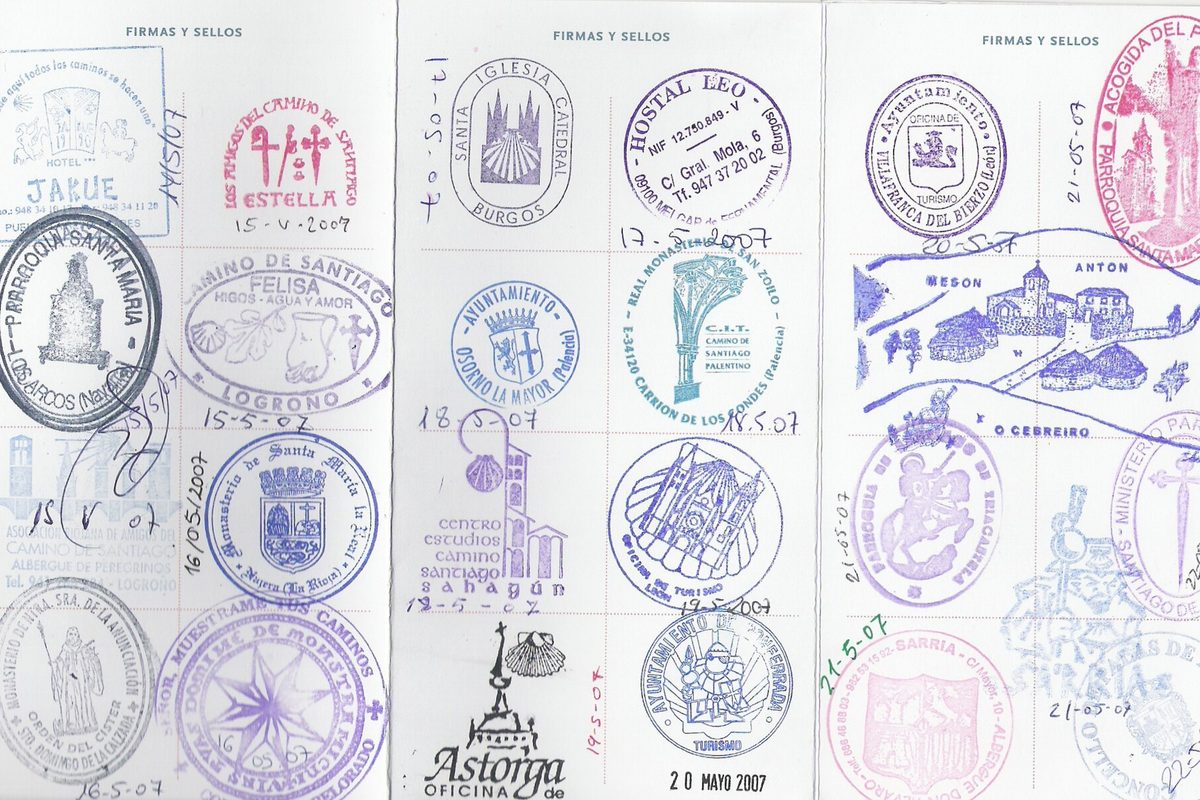
Why I Walked the Camino on a Shoestring
I first walked the Camino de Santiago on a budget not because I had to, but because I wanted to see if the experience could be stripped down to its essence. I had read about pilgrims who spent hundreds of euros on private rooms and restaurant meals, and that felt like missing the point. For me, the pilgrimage was about walking, meeting people, and letting the path provide. So I set out with a small pack, a tight budget, and a willingness to sleep wherever the day ended.
The backbone of my trip turned out to be the network of free stays and donativo albergues. These are pilgrim hostels run by volunteers or local parishes, where you pay what you can afford or contribute a small donation. Some are completely free, others ask for a few euros. I stayed in church halls, municipal shelters, and volunteer-run refuges. The Camino de Santiago on a budget is entirely possible if you know where to find these places and how to respect the donation system.
This article covers everything I learned: how to plan a cheap pilgrimage Spain trip, what to expect from a donativo albergue experience, and the daily tips that kept my costs low. I also share my own Camino thrifty reflections on what the minimal budget gave me in return. Whether you are looking for low cost Camino tips or just curious about my Camino journey, I hope this helps you walk your own path without worrying about your wallet.
Planning Your Thrifty Camino
Setting a Realistic Budget for the Camino de Santiago
I started my Camino de Santiago on a budget by setting a daily target of 30 euros. I calculated it the simple way: I estimated my total trip cost based on 35 days of walking, then divided by days to get a per-day figure. That included accommodation, food, a small gear replacement fund, and a cash emergency buffer. I even added a 10% pad for the unexpected. I tracked every euro in a small notebook, and that 30-euro target became my anchor for every decision on the trail.
- Accommodation: 5-10 euros for a donativo albergue, sometimes free through volunteer stays at churches or municipal hostels.
- Food: 8-12 euros by cooking in albergue kitchens or buying bread, cheese, and fruit from local markets. I splurged on a pilgrim menu every few days.
- Gear: 5 euros per day set aside for shoe inserts, new socks, or a pack repair. I bought high-quality walking shoes before leaving to avoid mid-trip replacements.
- Emergency: 3 euros per day for unexpected costs like a bus ride or medical supplies. That buffer saved me when I needed a taxi to the next town after a blister turned bad.
That 3-euro-per-day emergency fund seemed small, but it covered a night in a private room when I needed rest. The key to a successful Camino de Santiago on a budget is including these buffers from the start. Overestimate slightly and spend less where you can, and you'll never feel stranded. My Camino budget was realistic because I planned for the worst while hoping for the best.
Packing Smart for Free Stays and Donativos
Packing light is the first rule of any Camino de Santiago on a budget, but it's especially important when you plan to rely on donativo albergues. Your sleeping bag is non-negotiable: many donativo albergues don't provide blankets, and a lightweight bag keeps you warm without weighing you down. Earplugs are another essential; shared dormitories can be noisy, and a good night's sleep is worth its weight in gold. A sleep sheet or liner adds little bulk but gives you a clean layer between you and the mattress.
What to leave behind? Anything you wouldn't want to carry for 30 kilometers. Skip the bulky towel: a microfiber travel towel dries fast and packs small. Leave unnecessary electronics, multiple pairs of shoes, and "just in case" clothes. Every gram costs energy. One low cost Camino tips: test your pack weight before you leave. If it feels heavy at home, it will feel twice as heavy on the trail.
Free Stays: The Best Donativo Albergues
What Is a Donativo Albergue?
When I first heard about donativo albergues, I imagined a place where you just toss a coin into a box and hope for the best. In reality, the donativo albergue experience is both simpler and richer than that. A donativo albergue is a pilgrim hostel that operates on a pay-what-you-can model. There is no set price for a bed. Instead, you contribute what you feel is fair, often a suggested donation of 5 to 15 euros, depending on the albergue and the region. The money goes toward running costs, and many also rely on volunteer hospitaleros (hosts) to keep the doors open.
This setup is very different from municipal albergues, which are run by local governments and typically charge a fixed fee (usually 8 to 12 euros). Private albergues, on the other hand, are for-profit businesses; they often offer more amenities but can cost 15 to 25 euros per night. Donativo albergues sit somewhere in between. They trade the guarantee of a private room or a reservation for a more communal, trust-based atmosphere. There is no booking in advance. You show up, take a bunk, and leave a donation. The focus is on shared meals, heartfelt conversations, and the simple act of giving.
What makes staying in one so special for budget pilgrims is that it turns the Camino de Santiago on a budget from a financial challenge into a meaningful exchange. Instead of counting every euro, you learn to trust that others will support the albergue, and you contribute what you can. It is a beautiful break from the transactional nature of most travel accommodations.
How to Find Donativo Albergues Along the Way
Finding a donativo albergue on the French Way is easier than you might think. I relied on the Buen Camino app and John Brierley's guidebook; both mark donativos clearly. But word of mouth proved just as useful. Fellow pilgrims would mention a refugio gratis in a village ahead, run by a parish or volunteer group. Those tips saved me money and gave me a genuine welcome.
Popular donativo stages include the first day from St-Jean-Pied-de-Port to Roncesvalles, then Zubiri, Granon, and later Samos. Each offers a different flavor, from a busy monastery to a church floor with mats. These free stays on the Camino are not completely free; you donate what you can, usually 5-10 euros. For a cheap pilgrimage in Spain, they are the backbone of the route. I budgeted around 5 euros per night, which kept my overall Camino de Santiago on a budget very manageable. This is one of the key low cost Camino tips: seek out donativos, and you will stretch your money further.
My Camino budget depended on these donativos. They are the essence of the Camino thrifty approach, sleeping in a place where the only cost is what you can give. And the communal dinners often become the highlight of the day.
My Top Donativo Experiences
The donativo albergue in Grañón set the tone for my entire Camino. Run by a rotating crew of volunteers, it operates on the simplest premise: you give what you can, no questions asked. I arrived tired and dusty, and was greeted with a bowl of lentil soup and a place at a long wooden table shared with a dozen strangers. That night we cooked together, washed dishes by hand, and ended up singing songs in three languages. No one checked a credential or asked for payment. I left a few euros in the donation box the next morning, but the real gift was the feeling of being welcomed into something bigger than a bed for the night.
San Bol was a different kind of quiet. A tiny albergue set in a former pilgrim hospital, surrounded by fields. The volunteer host, a retired German woman named Heike, offered a simple pilgrim meal of bread, cheese, and fruit. No electricity in the dormitory, just candles. I sat outside as the sun set, writing in my journal about my Camino budget and how little I had spent that day. The silence was profound. That night I slept in a room with eight other pilgrims, and the only sound was the wind through the poplars. These are the stays that define the free stays Camino experience: not just free accommodation, but a reminder that the most valuable things on the trail can't be bought.
For anyone walking the Camino de Santiago on a budget, these donativo albergues offer more than savings. They are the heart of the pilgrim spirit. The hospitality, the shared meals, the simplicity of a candlelit evening with strangers who quickly become friends. That's the real experience, and it costs nothing but your presence.
How to Contribute When You Have No Money
I arrived at a donativo albergue near Logroño with just a few euros left in my pocket and a heavy sense of guilt. The hospitalero smiled and said, "You can pay with your hands." That night I washed dishes for an hour, swept the common room, and helped a pilgrim from Korea fix a broken backpack strap. I learned that being a peregrino voluntario is not about the money you don't have; it's about the energy you bring.
The ways to give back are limited only by your imagination. Cook a simple meal for others using food you bought at a market. Teach a few stretches to tired feet. Offer to translate between Spanish and English at the evening meal. Share your extra snacks or a bag of oranges. Even helping someone find the next water fountain can be a real contribution. The hospitalero told me last year a pilgrim spent two hours teaching basic guitar to a group of kids staying at the albergue. That became the highlight of the season.
The spirit of a donativo albergue hinges on generosity over obligation. Nobody checks your wallet or asks for a minimum. You give what you can, and if you have nothing, you give your time. That kindness has a way of multiplying. I watched a German pilgrim fix a broken washing machine with a simple tool kit; he refused payment and instead asked for a coffee. The next morning someone left a full tin of cookies on his bunk.
For anyone walking the Camino de Santiago on a budget, these free stays are a lifeline, but they also teach a deeper lesson. The donativo system is not about cheap accommodation; it's about belonging to a community where every contribution matters, no matter how small.
Stretching Your Euros on the Camino
Eating Well on a Shoestring
One of the best ways to keep your Camino de Santiago on a budget is to cook your own meals. Most albergues, even donativo ones, have basic kitchens with stovetops, pots, and pans. I would grab pasta, a jar of tomato sauce, and a bag of fresh vegetables from the local supermarket for under €5. That fed me and a couple of fellow pilgrims, and we would share stories while the onions sizzled. It is a small ritual that cuts food costs dramatically.
Pilgrim menus are tempting, and I definitely indulged in a few. A three-course meal with wine for €10-12 is a treat after a long day. But if you have them every day, your budget balloons. On my thrifty days, I opted for supermarket bread, cheese, fruit, and a big bag of nuts. That is a solid lunch for under €3. This cheap pilgrimage Spain strategy means you can still eat well without blowing your daily allowance. A little planning in the kitchen goes a long way toward stretching your euros.
Avoiding Common Money Traps
The first few days on the Camino, I watched pilgrims drain their budgets on things they didn't need. A €50 trekking pole bought in a Saint-Jean-Pied-de-Port souvenir shop, when a €10 one from a hardware store would do. Tourist cafes along the main square charge double for a café con leche; walk two blocks and you'll find the same coffee for €1.20. And the bus? It's tempting after a long day, but the Camino is free and walking is the whole point. I learned these lessons the hard way, so let me save you the hassle: here are my consejos ahorro for keeping your wallet intact.
The classic money traps are easy to spot once you know them. Overpriced gear stores near the start line prey on first-timers; buy your basics at home or at a Decathlon in a bigger city. Tourist menus near the cathedral often cost €15 for mediocre food, while a local bar a street away serves a three-course menú del día for €10. Unnecessary transport, a taxi to skip a boring stretch, a train to catch up, not only costs money but also breaks the rhythm. Volunteer stays at donativo albergues are free or very cheap, and they offer the best Camino experience.
So when should you splurge? I say: on your feet. A good pair of trail runners (I spent €80) is worth every cent. And occasionally, a proper meal with wine and good company is a memory you'll carry longer than the money. But save on laundry (hand-wash in the sink), snacks (buy from supermarkets, not convenience stores), and accommodation (choose donativo or municipal albergues). The Camino de Santiago on a budget isn't about deprivation; it's about spending smartly so you can afford to stay longer.
Free Activities and Pilgrim Perks
Your pilgrim passport is more than a credential for the Compostela - it's a discount card I relied on every day to stretch my presupuesto real. In León, the Museo de León waved the entry fee when I showed my credencial. Smaller towns like Castrojeriz offered free entry to the local church museum, and in Santiago, the Museo das Peregrinacións gave pilgrims a reduced rate. I always asked at the ticket counter: "¿Descuento para peregrinos?" More often than not, the answer was yes.
Beyond museums, the Camino offers free experiences that money can't buy. Pilgrim blessings after evening mass in places like Burgos Cathedral or the tiny chapel in O Cebreiro reminded me why I was walking. The ritual of the blessing - the priest leaning over the railing, palms open - felt like a silent reset button. And then there were the community meals at donativo albergues: simple soups, bread, and wine shared around a long table. In Grañón, the volunteer hosts served lentil stew and asked for nothing but conversation. Those meals, born from collective generosity, were the richest part of my Camino - and cost zero euros.
Volunteer Stays and Work-for-Stay
Volunteering at Albergues for Free Accommodation
One good way to save on accommodation on the Camino de Santiago is to volunteer as a hospitalero. Many albergues, especially donativos, rely on volunteers to keep running. I found my first placement through the American Pilgrims on the Camino hospitalero program, which trains you for a week in exchange for a two-week commitment at an albergue. Some albergues also accept walk-in volunteers for a night or two, especially during the busy summer months.
- Cleaning dormitories and bathrooms each morning
- Managing reception and checking in new pilgrims
- Helping with meal prep and kitchen cleanup
- Answering questions about the route and local services
These volunteer stays give you a behind-the-scenes look at donativo life while saving accommodation costs. You will meet pilgrims from all over the world and form bonds that last long after the Camino ends. It is a practical way to stretch your travel budget while contributing directly to the community that makes the Camino so special.
Sharing Meals and Building Community
One of the sweetest surprises on my Camino de Santiago on a budget was how much money I saved simply by sitting down to eat with strangers. In the donativo albergues, dinner is not just a meal. It is the heart of the experience. Instead of buying groceries or eating out alone, guests cook together using whatever ingredients are donated or left behind. The cost is a voluntary contribution, often just a couple of euros, and sometimes nothing at all if you help with the cooking or washing up. Those evenings around a crowded table, passing bowls of lentil soup and fresh bread, became the highlight of my days. I learned more about the Camino's spirit in those hours than in any guidebook.
The Spanish phrase compartir comida captures the generosity at the core of donativo culture. Hosts leave out extra food for pilgrims who arrive late or on a tight budget. A jar of jamon, a half-eaten bag of oranges, a box of pasta. These shared offerings turn a lonely snack into a communal feast. I remember one night in a small albergue in Navarre where a retired couple from Belgium had brought a whole wheel of cheese. They insisted everyone take a slice. That simple act of sharing cost them nothing, but it saved me a few euros and gave me a story I still tell. On a low cost Camino, these moments prove that the best things often come free.
Final Thoughts
What I Learned from Walking the Camino on a Shoestring
Looking back, the biggest lesson I carried home from the trail is something I never expected: spending less actually gave me more. When I chose free stays on the Camino and donativo albergues over paid hostels, I didn't just save money. I found myself in kitchens sharing meals with strangers who became friends, in conversations that lasted late into the evening because no one was rushing off to a paid tour. The Camino de Santiago on a budget stripped away the commercial layer and left only the raw, generous spirit of the walk.
If you are considering a cheap pilgrimage in Spain but worry about the cost, let me encourage you: the Camino thrifty way is not a compromise. It is a richer experience. You will trade comfort for camaraderie, certainty for spontaneity, and every euro you save becomes a story you tell later. The donativo albergue experience taught me that trust in strangers is still alive, and that a simple bowl of soup shared with a pilgrim from another continent is worth more than any three-course meal.
So pack light, carry a pilgrim's heart, and trust the path. My Camino on a shoestring was the most connected I have ever felt, and I am already planning the next one.
Official sources
Details worth verifying before you go — checked against:

Travel Writer & Editor
Emily Johnson writes and edits Do Travel Blog. Every guide on the site starts the same way: with a question she actually had while planning — when to book, which pass to buy, how to get from A to B without overpaying. Where a number matters, she cites the source: park tickets link to the park's own fee page, visa rules to the official consulate, ferry times to the operator. Prices get re-checked against those pages before each update, and a guide is re-dated when its numbers move. Nothing here is sponsored — she doesn't accept payment for coverage. Spotted something stale or wrong? Email hello@dotravel.blog and she'll fix it.