Why Mountains Like Kyrgyzstan Can Feel Like Home
Explore the psychology of place attachment and why remote mountain landscapes like Kyrgyzstan evoke a deep feeling of home. Learn about topophilia, awe, and emotional geography.
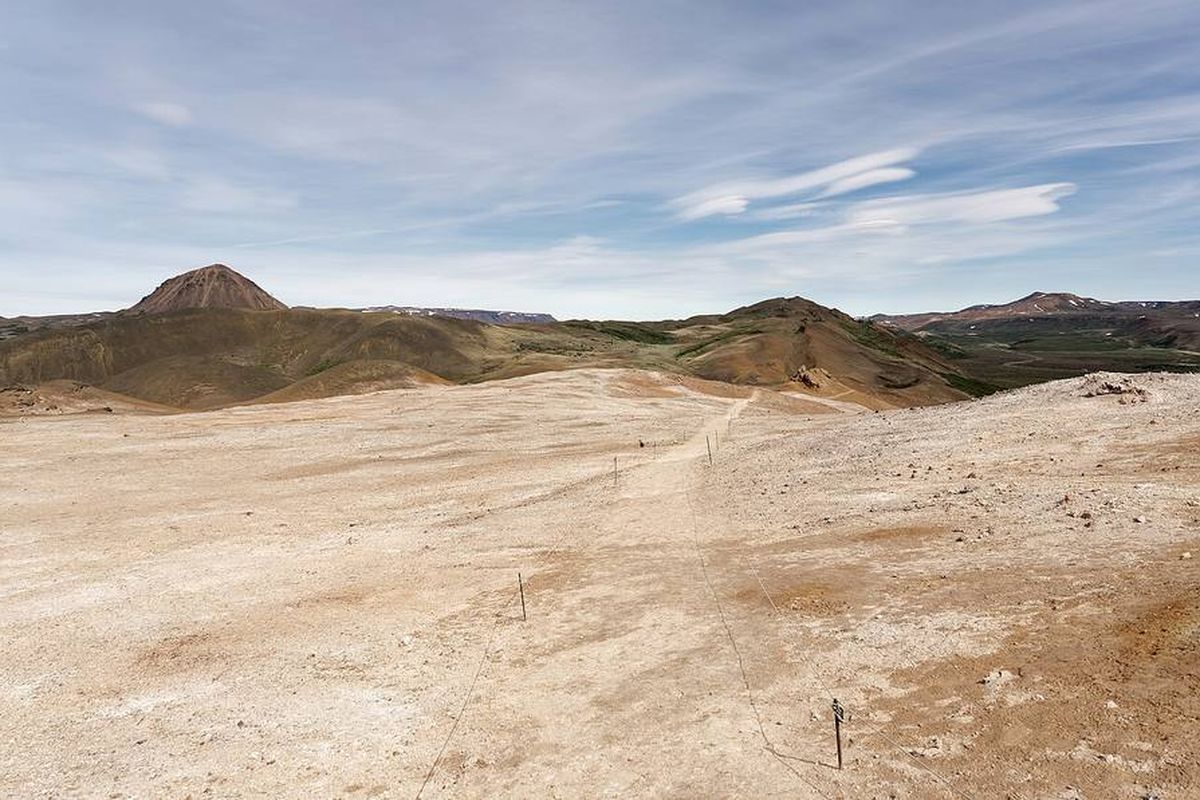
When Mountains Feel Like Home
A traveler steps off a marshrutka onto the dirt track leading to a jailoo in Kyrgyzstan's Tian Shan range. The air is thin and cold, the only sounds are wind and distant horse bells, yet something about the scene feels deeply familiar. It is a peculiar sensation: standing in a landscape you have never seen before, yet experiencing a quiet sense of belonging. This paradox is the starting point for understanding why wilderness, especially mountain environments like those in Kyrgyzstan, can evoke the same emotional resonance as home.
The psychology of home feeling extends far beyond four walls and a roof. Researchers in emotional geography and topophilia, the study of affective bonds between people and place, have documented how certain landscapes can trigger a sense of rootedness and comfort. For many, the scale and stillness of mountains bypass cultural conditioning and speak directly to a deeper need for orientation and safety. Place attachment mountains are not just scenic backdrops; they become anchors for identity and memory.
Why wilderness feels like home is a question that draws on sense of belonging research and the concept of nature and identity. When the remote landscape bond is strong, the unfamiliar can feel intimate. This article explores the psychological mechanisms behind that transformation, drawing on studies of the remote landscape bond to explain how the jagged peaks of Kyrgyzstan, or any wild place, can shelter the same warmth we associate with home.
The Psychology of Place Attachment
What Is Place Attachment and Why Does It Matter?
Place attachment describes the emotional bond between a person and a specific location. Rooted in John Bowlby's attachment theory, researchers have extended this framework to the physical world, explaining why spaces like Kyrgyzstan's Tian Shan mountains can feel like home. Geographer Yi-Fu Tuan called this topophilia, a love of place that shapes identity. For many travelers, the experience of place attachment in mountains creates a profound sense of belonging that defies distance or cultural difference.
This bond directly affects well-being. Environmental psychology studies consistently show that strong place attachment correlates with higher life satisfaction, reduced stress, and a clearer sense of identity. People who develop emotional ties to landscapes, whether a childhood forest or the remote Alay Valley in Kyrgyzstan, gain a stable reference point for self-understanding. The remote landscape bond offers what researchers call 'existential insideness': the feeling of being part of a place rather than a detached observer. This sense of belonging is linked to improved mental health outcomes, particularly for those who regularly access natural environments where nature and identity can integrate. Researchers have documented how topophilia shapes not just how we see a place but how we see ourselves.
Mountains are especially effective at triggering this attachment. Their permanence, scale, and silence offer a counterpoint to modern life's pace. For visitors to Kyrgyzstan's Jyrgalan Valley, the raw beauty and isolation can activate a primal feeling of home that transcends cultural norms. Home, in this sense, is wherever place attachment takes root: the mountains support core identity and provide continuity in a transient world. The character of such landscapes, their seasonal rhythms, the quality of light, the absence of artificial noise, creates an environment where the psychology of home feeling can flourish naturally, rooting the traveler in something older and more permanent.
Key Theories Behind Our Bond to Landscapes
The geographer Yi-Fu Tuan coined the term topophilia to describe the deep emotional bond between people and places. For travelers in remote mountain ranges like Kyrgyzstan's Tian Shan, topophilia explains why an alien landscape can stir feelings of belonging. The open valleys, the silence, and the raw scale bypass the intellect and connect directly to an ancient sense of home.
Sense of belonging research offers another layer. Studies consistently show that belonging is not dependent on familiarity or social ties alone; it can arise from the physical environment itself. A 2017 study in the Journal of Environmental Psychology found that people who spent time in remote natural areas reported elevated feelings of rootedness and identity. This suggests that landscapes free of human marks can satisfy a basic psychological need for attachment, which is why a place so different from one's origins can still feel like home.
Attention restoration theory, developed by Rachel and Stephen Kaplan, provides a third pillar. Natural environments, especially those with soft fascination and a sense of being away, allow the mind to recover from directed attention fatigue. Remote mountain landscapes excel at this: the endless horizon and shifting light gently hold focus without demanding effort. This restorative quality is a core part of the pull wild places have on those seeking respite from modern life.
Why Mountain Landscapes Are Uniquely Powerful
Everyday environments bombard the senses with concrete, traffic, and the constant hum of social obligation. Urban and suburban spaces are designed for efficiency, not reflection, and they rarely invite the kind of deep mental rest that psychologists link to genuine well-being. In contrast, mountain landscapes strip away those layers of artificial stimulation. The sudden shift from noise to silence, from human-made geometry to organic chaos, triggers an immediate recalibration. Visitors to places like Kyrgyzstan's Tian Shan range often describe a kind of psychic exhale, as if the vastness itself grants permission to stop performing. This contrast alone creates a psychological opening, a gap in which a feeling of home can quietly take root.
Yet mountains do more than just remove familiar stressors. They also evoke awe, an emotion that researchers like Dacher Keltner have shown to shrink the ego and increase feelings of connection to something larger. At the same time, these landscapes possess a remarkable stability. While cities change every decade and routines shift yearly, a granite peak or a glacial valley offers a timeline measured in millennia. That permanence fosters a quiet sense of safety, a reliable anchor that the human mind interprets as belonging. Environmental psychologists studying place attachment note that places become meaningful when they feel both extraordinary and trustworthy. Mountains, with their scale and constancy, check both boxes.
The emotional geography of isolation deepens this bond. Remote landscapes demand presence; there is no screen to scroll, no errand to run. That forced disconnection from social noise lets people reconnect with a more fundamental sense of self. Topophilia, the love of place, often arises in these settings because the self and the landscape begin to merge. Viewed through this lens, the feeling is no mystery: home is not only a house but a location where identity feels coherent. For many travelers, the wide open sky and the sharp horizon of alpine terrain provide that coherence more readily than any apartment ever could.
Why Remote Landscapes Evoke a Sense of Safety
The Psychology of Safe Space in the Wild
In psychological terms, a safe space is defined by predictability and the perceived absence of threat. When an environment offers consistent patterns and no immediate danger, the brain's threat-detection system can relax. This allows the mind to shift from survival mode to a state of openness and reflection. The psychology of home feeling hinges on this very condition: a place where one can let down their guard without fear of judgment or harm.
Remote mountain landscapes provide precisely such a haven, especially from the relentless social pressures of modern life. In the open valleys and vast horizons of Kyrgyzstan's Tian Shan range, there are no performance expectations, no crowded commutes, no endless notifications. The only demands are physical and elemental, stripped of social complexity. This removal of social threat is a core part of the comfort many people find there - it offers a psychological reset far from the demands of reputation and belonging.
This experience aligns closely with attachment theory's concept of a secure base. Just as a child feels safe enough to explore when a caregiver provides reliable support, an adult can feel a similar sense of security in a landscape that is both vast and non-threatening. The remote landscape bond forms when the environment itself becomes that secure base, offering unconditional stability. Psychologists note that such places can fulfill a deep need for refuge, a fundamental component of place attachment.
The mountains do not judge, do not demand, and do not change unpredictably. That constancy is the bedrock of a topophilic bond - the feeling of being rooted in nature. For those who find it, the silence and scale of a place like Kyrgyzstan becomes a version of home that is not built by walls, but by an unwavering, quiet presence.
Awe, Connection, and the Feeling of Home
Awe is a self-transcendent emotion that shifts attention away from individual concerns toward something larger. When a person stands before a towering peak or an endless valley, the ego temporarily quiets. This reduction in self-focus opens the door for greater connection, both to the landscape and to a shared human experience.
Research by psychologists Paul Piff and Dacher Keltner found that experiencing awe decreases feelings of loneliness and promotes prosocial behavior. In one experiment, participants who stood in a grove of towering eucalyptus trees reported feeling less isolated than those who viewed a less awe-inspiring space. The effect is physiological: awe slows the nervous system and triggers a sense of belonging.
This sense of belonging is precisely what makes a remote mountain landscape feel like home. The awe response mimics the comfort of being accepted by a community, only the community is the landscape itself. For someone seeking the psychology of home feeling, the mountains offer a reliable shortcut: a place where the need for connection meets an environment that demands nothing in return. For many travelers, that is the whole answer.
The concept of topophilia, or love of place, emerges naturally from repeated awe experiences. Place attachment mountains create is not about ownership but about the sense that a landscape holds a part of your identity.
Escaping Modern Stressors, Finding Restorative Peace
The restorative power of mountain landscapes is rooted in a well-studied psychological mechanism: attention restoration theory (ART). Modern life demands sustained directed attention, the kind needed for work deadlines, digital notifications, and traffic. This effortful focus drains mental resources, leaving people fatigued and irritable. Mountain environments, by contrast, engage involuntary attention: the effortless, curiosity-driven mode activated by a shifting cloud shadow, the sound of a distant waterfall, or the texture of ancient rock. This shift allows the brain's directed attention system to rest and restore, a process that environmental psychologists have documented across multiple studies in the past two decades.
Mountain settings possess two qualities ART identifies as essential for restoration: fascination and extent. Fascination refers to the inherently interesting stimuli that hold attention without effort, like the play of light on a ridgeline or the patterns in alpine wildflowers. Extent describes the sense of being immersed in a coherent, expansive world distinct from everyday life. A mountain valley with its own microclimate, trail system, and seasonal rhythms provides exactly this feeling of a whole other world. Together, fascination and extent create a setting where the mind can wander freely, untethered from the cognitive demands that define modern routines.
This restorative experience often triggers a deep sense of belonging, which is why wilderness can feel like home. Research shows that places capable of restoring our depleted mental resources become psychologically significant. When a mountain landscape replenishes that basic need for safety and calm, it begins to function like the nurturing home of childhood, a secure base from which to explore and to which to return. The bond deepens over repeated visits, forming the kind of place attachment that researchers measure through questionnaires on identity and rootedness. For many, the answer lies not in nostalgia but in the measurable restoration the mountains provide, time and again.
The Role of Memory and Identity
How Memory Shapes Our Emotional Geography
Autobiographical memory, the brain's collection of personally experienced events, often ties itself to specific landscapes. A particular light across a meadow, the smell of pine after rain, the curve of a distant ridge: these sensory anchors can later trigger an unexpected sense of familiarity in a place never visited before. This sensory imprint explains why a Kyrgyz pasture might feel like your grandfather's farm in Nebraska, even when you have never set foot in Central Asia.
Researchers in topophilia, the study of human attachment to place, have long noted that landscapes resembling one's formative environment can evoke a deepened psychology of home feeling. The mind's mapping of past homes onto present terrain is not a conscious choice but a rapid, pre-cognitive process. For many travelers, the vast steppe and jagged peaks of Kyrgyzstan mirror universal childhood archetypes - the open expanse, the mountain fortress - creating an immediate sense of belonging.
This phenomenon, where place attachment mountains trigger feelings of familiarity, helps explain the feeling of familiarity so many visitors report in this remote landscape. The bond is not with a specific location but with the memory of a feeling, projected onto a new geography.
Nature and Identity: When the Wild Becomes Self
The psychology of home feeling begins with identity. Environmental psychologist Susan Clayton (2003) demonstrated that people form an environmental identity through repeated, meaningful interaction with a place. When a hiker returns to the same Kyrgyz mountain pass year after year, that landscape becomes part of their self-narrative. Nature and identity merge, and the wild ceases to be an anonymous backdrop. It becomes a component of who they are.
Adopting a 'mountain person' identity amplifies this sense of belonging. Clayton and Opotow (2003) showed that participants with strong environmental identities reported higher place attachment mountains scores than those without. Sense of belonging research shows that identity acts as a psychological bridge: the same alpine valley can feel like home to both a local herder and a foreign trekker if both incorporate the mountains into their self-concept. Topophilia, the love of place described by Yi-Fu Tuan, becomes a lived reality through this identification.
Why wilderness feels like home, then, is not a mystery. The remote landscape bond is a product of identity formation. Emotional geography research confirms that such integrated identities provide continuity and stability, even in landscapes far from one's birthplace. For those who feel an inexplicable draw toward high peaks, the explanation may be straightforward: the mountain has become part of the self.
Personal Narratives and the Sense of Belonging
The stories travelers tell about a place often decide whether it feels like home. Research on place attachment shows that people do not bond with a landscape just by staying there for a long time. They actively build narratives that connect their personal history to the geography around them. When a hiker calls the Tien Shan range familiar, they are using a mental script that links the openness of the alpine meadows to childhood memories of freedom and adventure.
This narrative process explains why many visitors describe their first trip to Kyrgyzstan as a homecoming, even when the culture and terrain are completely new. The feeling of home comes not from knowing specific landmarks but from the emotional resonance of the scene. A traveler might say the jailoo, the high summer pastures where shepherds live in yurts, reminds them of their grandparents' farm. That comparison is a story the traveler tells themselves, and it overrides the objective novelty of the experience. This kind of personal framing is why the same landscape feels like home to some people and disorienting to others.
On a broader scale, these individual narratives connect to collective memory and cultural ideas about mountains. In Kyrgyzstan, the mountain is not just a backdrop but a central character in epic poems and family histories. Travelers absorb this cultural narrative, whether through a guide's story about Manas or the sight of an ancient petroglyph. The bond with a remote landscape deepens when a personal story aligns with a cultural one. This intersection of personal and collective narrative is what researchers call topophilia, or the love of place.
Topophilia and Emotional Geography of Mountains
Topophilia: The Love for Place Made Real
The geographer Yi-Fu Tuan coined the term topophilia in 1974 to describe the deep bond between people and places. It blends sensory experience, cultural symbolism, and personal memories into what psychologists call place attachment. This idea helps explain why certain landscapes can feel like home even to someone seeing them for the first time.
In Kyrgyzstan, that bond shows up in the cultural reverence for the Tian Shan mountains. Local traditions treat peaks like Khan Tengri and Lenin Peak as sacred, with seasonal festivals and yurt camps that reinforce a collective identity rooted in the landscape. The semi-nomadic heritage means the mountains are not just scenery but spiritual anchors, turning a remote valley into a site of deep belonging and showing why wilderness can feel like home.
The psychology of that home feeling is about resonance with the land, not familiar architecture. Place attachment to mountains taps into a sense of belonging that research links to identity formation and emotional well-being. When a landscape matches a personal story or cultural history, the inner map shifts, making a faraway range feel like home. Topophilia offers a way to understand the profound connection travelers feel in Kyrgyzstan's pastoral highlands.
Mapping Where We Feel We Belong
Emotional geography is a structured way to look at the feelings people attach to specific places. It goes beyond general talk of 'sense of place' by systematically analyzing how landscapes can stir emotions from calm to excitement. A key idea here is topophilia, the emotional bond between a person and a place, which helps explain why some environments create a strong sense of belonging. This framework builds on years of research into how identity and landscape are connected.
Mountains are what researchers call 'spaces of emotion': physical settings where the environment directly shapes how we feel. The psychology of feeling at home is not limited to buildings; wilderness can trigger similar responses in the brain and body. The feeling often comes down to predictability, safety, and the restorative qualities of natural space, along with repeated positive experiences of height and openness. Place attachment to mountains develops when the mind creates a mental map of belonging tied to these open, wild landscapes, mirroring the security of home.
Kyrgyzstan's extreme isolation and altitude make this effect even stronger. Its remote valleys, at an average elevation of nearly 3,000 meters, are reachable only by winding roads or on foot for most of the year. This isolation strips away city noise and social pressure, forcing a direct, unfiltered encounter with the landscape. Such conditions deepen the bond with remote landscapes, as the mind anchors feelings of safety and identity to these wild places. Extreme natural settings create stronger emotional ties precisely because the environment demands attention and presence, making nature and identity inseparable in the experience.
Bottom line
The psychology of home feeling in landscapes like Kyrgyzstan's mountains rests on several well-documented mechanisms. Place attachment builds through repeated positive experiences: the brain encodes a remote valley as a safe base, similar to how it registers a childhood home. Memory weaves specific peaks and trails into personal narrative, while awe experiences in vast wilderness shrink the ego and expand identity, creating a sense of belonging that research calls topophilia. This inner mapping explains why wilderness feels like home even when you have never lived there.
Home is not defined solely by birthplace or a permanent address. Any place that satisfies core needs for safety, autonomy, and connection can become home. A remote landscape bond satisfies these needs: the predictability of a mountain path offers safety, the solitude grants autonomy, and the shared silence among fellow trekkers provides connection. Nature and identity merge, and research confirms that place bonds can form as strongly with a distant range as with a neighborhood street.
Reflect on your own place bonds. Which landscape makes you feel grounded? What specific memory ties you to a certain trail or river? Acknowledging these feelings validates the depth of attachment and helps you understand your own emotional geography. The next time you feel a pull toward the mountains, recognize it as a legitimate longing for home, and honor it. Explore the places that satisfy those core needs, and let the terrain reshape your sense of belonging.
Official sources
Details worth verifying before you go — checked against:
Travel Writer & Editor
Emily Johnson writes and edits Do Travel Blog. Every guide on the site starts the same way: with a question she actually had while planning — when to book, which pass to buy, how to get from A to B without overpaying. Where a number matters, she cites the source: park tickets link to the park's own fee page, visa rules to the official consulate, ferry times to the operator. Prices get re-checked against those pages before each update, and a guide is re-dated when its numbers move. Nothing here is sponsored — she doesn't accept payment for coverage. Spotted something stale or wrong? Email hello@dotravel.blog and she'll fix it.